Prepared for Hobbyists and Small 3D Printing Businesses
Home 3D Printing: What’s New and Why It Matters
Desktop 3D printing has become easier, faster, and more practical than ever. Whether you print for fun or run a small shop, the latest changes focus on simplicity, reliability, and better results with less technical effort.
AI Tools Are Making Design Easier
New AI powered tools can turn a sketch, idea, or photo into a printable 3D model in minutes. You don’t need advanced CAD skills anymore — the software handles most of the heavy lifting. This means:
Printers Are Becoming More Capable
Affordable printers that can handle multiple colors or materials in one print are now common. For hobbyists, this means models that look finished right off the bed. For small businesses, it reduces assembly time and improves product quality.
Resin Printing Is More Reliable
Modern resin printers offer:
If you sell miniatures, dental models, or small detailed parts, this consistency is a big advantage
Image 1: Multi Material Desktop Printer
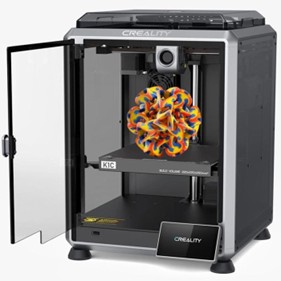
Caption: A modern multi material desktop printer capable of producing colorful, finished quality parts in a single print.
Materials Are Improving — And Greener
Filaments and resins now include:
These improvements help reduce waste and expand what you can make.
Workflow Matters More Than Specs
Instead of chasing the newest machine, focus on:
Shops that standardize their workflow get fewer failures and faster turnaround
Practical Tips for Hobbyists and Small Shops
Final Thoughts
Home 3D printing is no longer just a technical hobby — it’s becoming a practical way to create real products. With easier tools, better materials, and more reliable printers, both hobbyists and small business owners can produce high quality items without needing deep technical knowledge.